NPK 19:19:19 All-Purpose
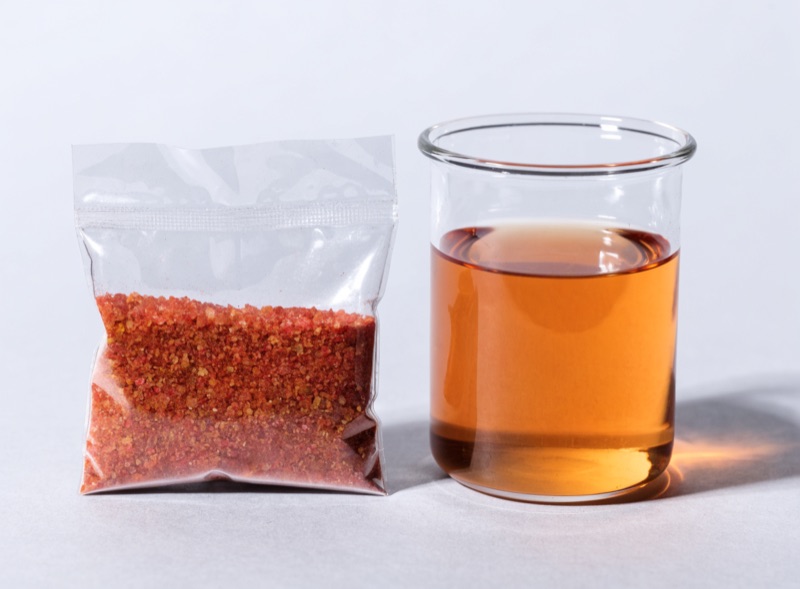
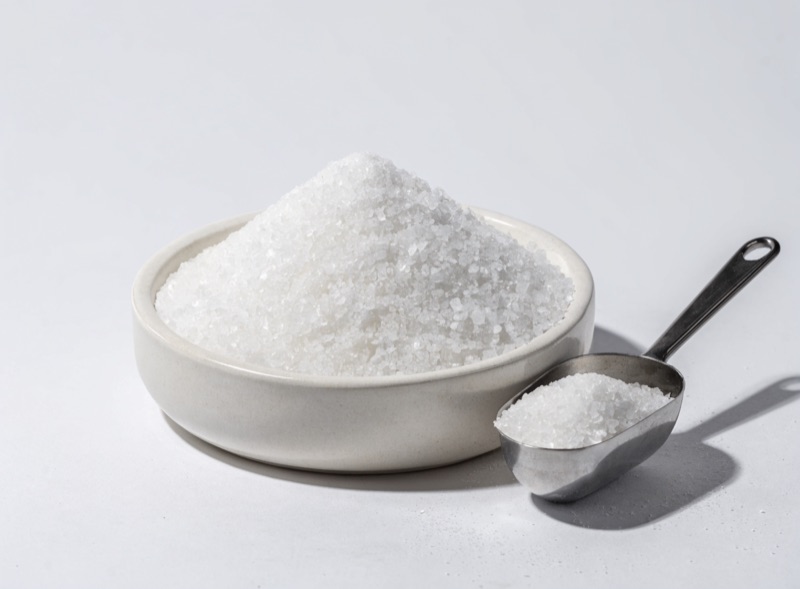
The balanced grade used through most of the vegetative stage. Fully water soluble with negligible residue, so it passes through drip emitters without clogging them.
Full catalogue
Plant nutrition, growing media, crop protection, tools and irrigation. Prices include GST at the rate shown on each product.
64 products
The balanced grade used through most of the vegetative stage. Fully water soluble with negligible residue, so it passes through drip emitters without clogging them.
A high-phosphorus starter grade for the first few weeks after transplanting, when the crop is putting down roots rather than making leaf.
A nitrogen-free grade for the flowering and fruit-set window, where extra nitrogen would push the plant back into leaf.
Feeds potassium during fruit filling and sizing, with just enough nitrate nitrogen to keep the canopy working.
Corrects the calcium deficiency behind blossom end rot in tomato and capsicum, and tip burn in leafy crops. Do not tank-mix with sulphate or phosphate grades.
Epsom salt for the interveinal yellowing on older leaves that signals magnesium shortage, common on sandy soils and in long pot culture.
A chloride-free potassium source for crops that resent chloride, and where fruit quality and shelf life matter more than bulk yield.
An acidic grade that helps keep drip lines clear while supplying phosphorus, useful on hard water where scaling blocks emitters.
A general trace element correction where no single deficiency has been diagnosed. Chelated so the nutrients stay available at higher soil pH.
For iron chlorosis — new leaves yellowing while the veins stay green. Common on alkaline and over-watered soils.
For zinc deficiency showing as short internodes and small bunched leaves at the growing point.
Boron drives pollen viability and fruit set. Under-dose deliberately — the margin between deficiency and toxicity is narrow.
Fine, odourless and fully stabilised, so it can go straight into a pot mix without burning roots. Improves structure as much as it feeds.
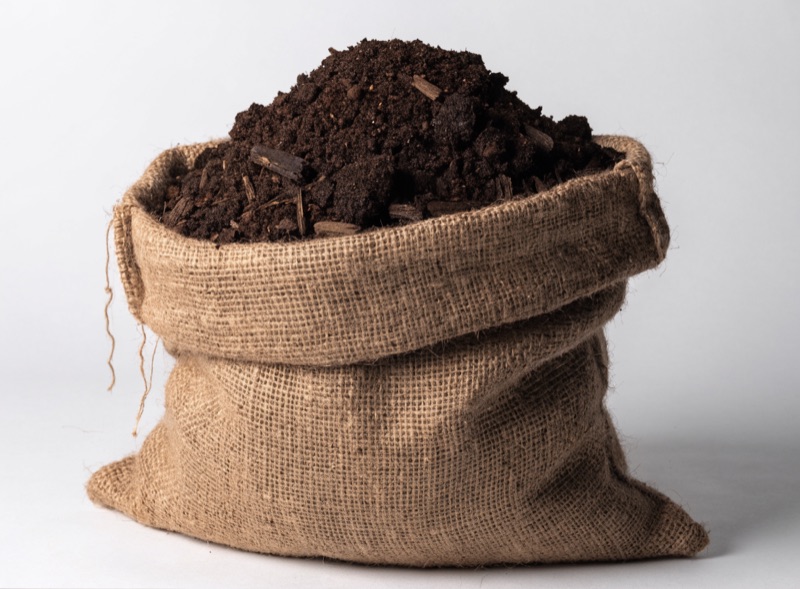
Feeds slowly and suppresses soil nematodes and grubs as it breaks down. The standard basal amendment before a vegetable crop.
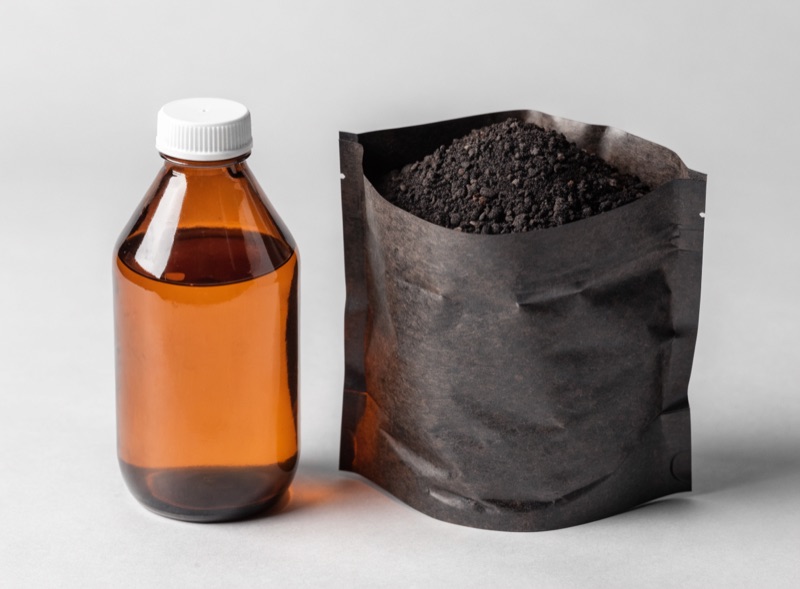
A fast-acting organic nitrogen source. Most growers steep it in water for a week and use the strained liquid as a feed.
Slow-release phosphorus and calcium for flowering and root crops. Works over months rather than weeks, so apply at planting.
Bulk organic matter for opening up heavy soil and holding moisture in light soil. Fully composted, so it will not scorch.
Richer in nitrogen than cow manure and pelleted for clean handling. Apply two weeks before sowing rather than at sowing.
A biostimulant rather than a fertilizer — it improves the plant's response to heat and transplant stress instead of feeding it directly.
Improves nutrient uptake and soil structure. Most visible on tired, over-cropped soil and in long-standing container mixes.
A root symbiont that extends the effective root system, improving phosphorus and water uptake. Apply in contact with the roots, not broadcast.
A free-living nitrogen fixer for non-legume crops. Store cool and out of sunlight — this is a live culture with a shelf life.
Unlocks phosphorus already fixed in the soil and unavailable to the crop. Works alongside, not instead of, a phosphorus source.
Helps a crop recover after heat, hail or pesticide stress by supplying amino acids it would otherwise spend energy synthesising.
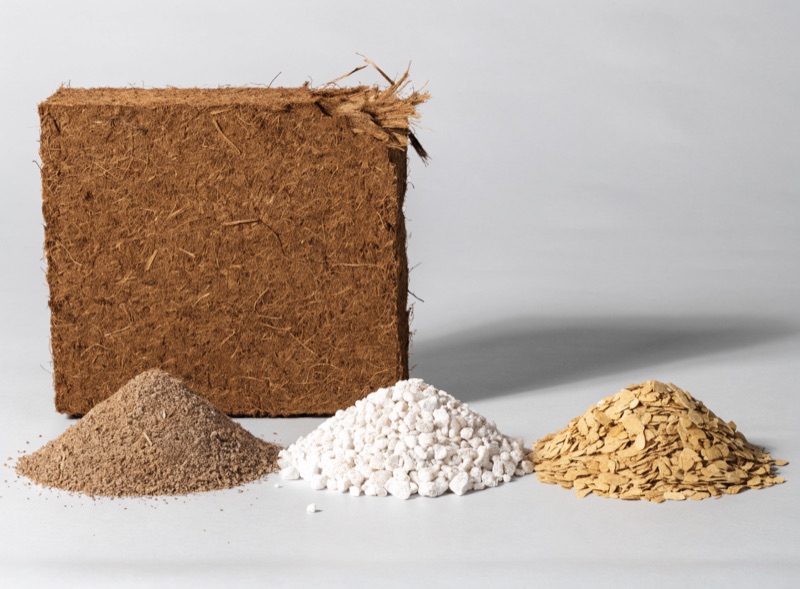
A washed low-salt block for seed raising, where high EC would check germination. Expands to roughly fifteen times its packed volume.
Calcium buffered so the coir stops locking up calcium and magnesium from your feed. The right choice for long-term container crops.
Adds air space to a mix that stays too wet. Inert and permanent, so it keeps working for the life of the container.
Holds water and nutrients rather than opening the mix up. Also the standard fine covering over freshly sown seed.
A ready blend for pots and grow bags, already balanced for drainage and holding capacity so nothing needs adding.
A deliberately lean, sharply drained mix. Ordinary potting compost holds far too much water for succulents.
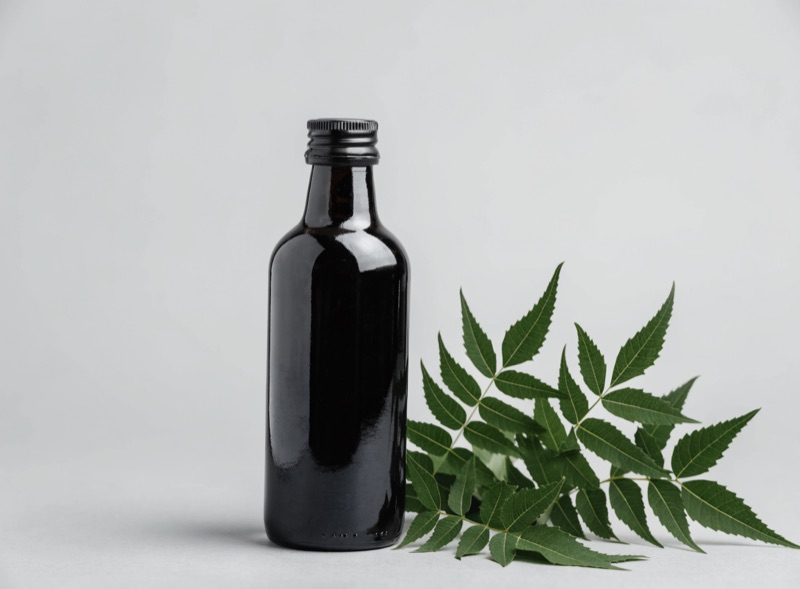
Works on soft-bodied pests as an antifeedant and growth disruptor rather than a knockdown poison. Spray in the evening; neem oil and midday sun scorch leaves.
A standardised neem formulation with a consistent azadirachtin content, which raw neem oil does not have. Needs repeat sprays to break the pest cycle.
A soil-borne antagonist for damping off, root rot and wilt. Apply through compost rather than bare soil so the culture establishes.
Colonises the root surface and suppresses bacterial and fungal pathogens. Do not tank-mix with chemical fungicides — it is a live culture.
An entomopathogenic fungus for whitefly, thrips and aphid. Needs humidity and no direct sun to infect, so spray late in the day.
Catches whitefly, aphid and leaf miner adults, and just as usefully tells you a population is building before the damage shows.
Species-specific lures for monitoring and mass trapping fruit and shoot borers. Set them before the pest arrives, not after.
The standard Indian hand weeder. One forged piece through the tang, which is what separates a khurpi that lasts from one that loosens in a season.
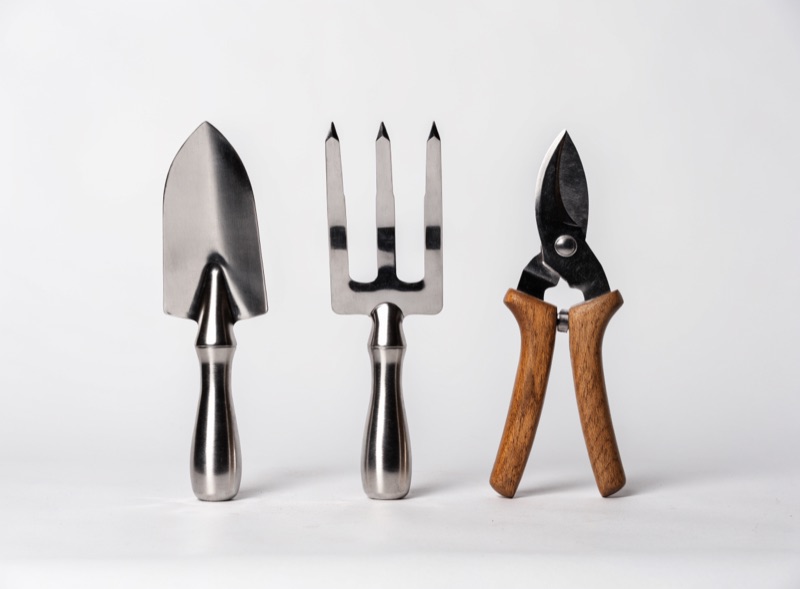
A stainless blade for transplanting and potting. Will not rust through if it is left out, which a carbon steel trowel will.
Bypass blades slice past each other like scissors, leaving a clean cut on living wood. The right pruner for anything you want to grow back.
Anvil blades crush against a flat plate, which suits dead and woody growth. Do not use on green stems — it bruises the tissue.
Ground on one side only, so it tracks flat along the cut the way grafting needs. Keep it stropped and keep it off the soil.
Serrated edge for cutting grass and soft stems at the base. Holds its bite far longer than a plain edge in dusty conditions.
For breaking a crust on pot soil and lifting weeds out root and all rather than snapping the tops off.
A full-size digging spade with a forged blade and a proper D-grip, for bed preparation and moving bulk media.
Long straight blades for shaping hedges and cutting back soft growth in bulk. Not for anything thicker than a pencil.
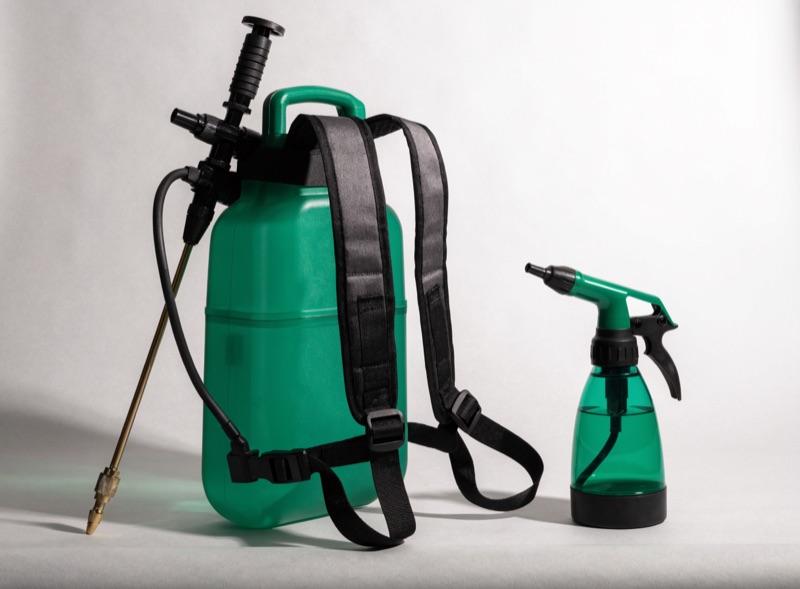
A trigger sprayer for indoor plants and small terrace batches. Adjustable from a jet to a fine mist.
Pump-up pressure so you get a steady spray without working a trigger. The practical size for a balcony or small terrace garden.
The workhorse manual knapsack. Four nozzles cover flat fan, hollow cone and stream patterns for different jobs.
Battery operation for a full day of spraying without pumping. Falls back to manual if the charge runs out mid-row.
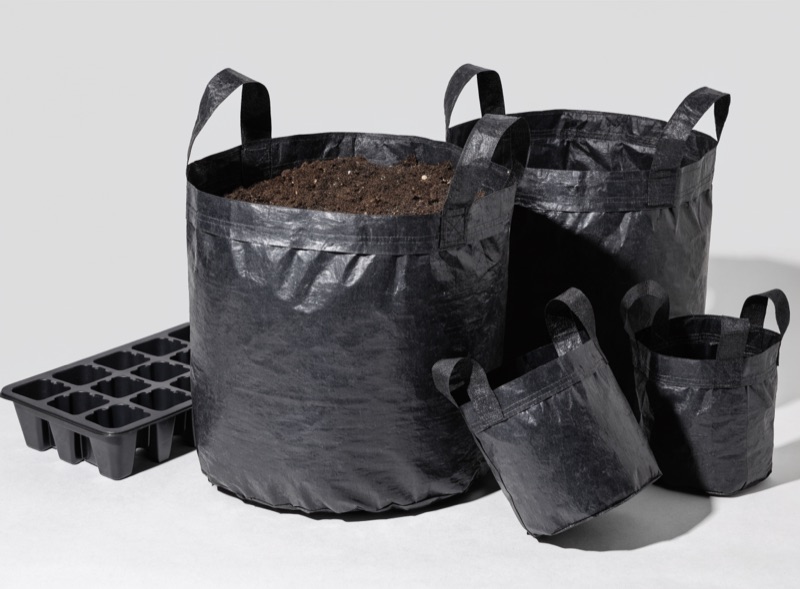
The size for chilli, brinjal and bush beans. UV stabilised, so it lasts three seasons on an open terrace instead of going brittle in one.
Enough root volume for tomato and capsicum through a full season. Gusseted, so it stands up on its own once filled.
A trough shape for leafy greens, coriander and spinach along a parapet, where a round bag wastes the run.
A long deep bag for a row of roots or a small fruiting crop, with a heavier base seam for the weight of wet media.
Portray-style cells for raising transplants. Each cell releases a plug intact, which bare-root raising cannot do.
Standard grow-on pots with a properly drained base. The step between a seedling plug and a final container.
Cuts half the incident light — the usual choice for hardening nursery stock and protecting vegetables through a north Indian summer.
Heavier shade for ferns, orchids and propagation benches. Too dark for fruiting vegetables, which will run to leaf under it.
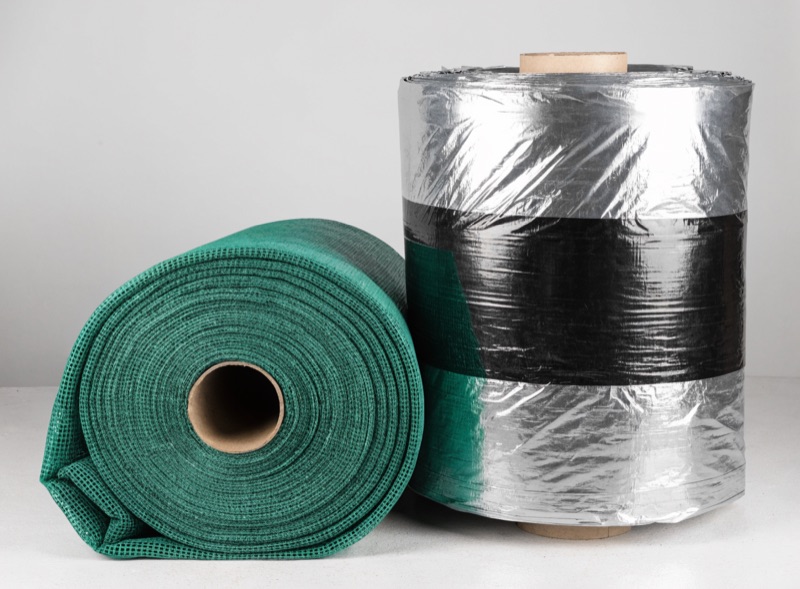
Black underside blocks weeds; silver top reflects light back into the canopy and disorients aphids and thrips. Laid the wrong way up it does neither.
Woven so water passes through but weeds cannot come up. Pin it down and cut crosses where the plants go.
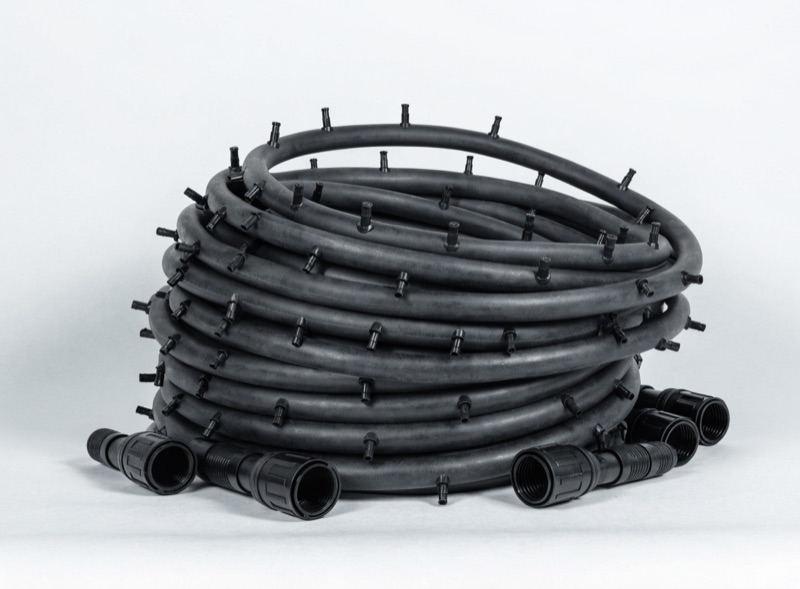
A complete kit down to the connectors, sized for a terrace garden. Runs off normal tap pressure with no pump.
The 100-plant kit, which adds a screen filter — worth having, since emitter blockage is what kills most drip systems.
For nursery beds and close-spaced greens where individual drippers would leave dry gaps between plants.
Adjustable emitters for mixed plantings, where a pot and a grow bag on the same line need very different amounts of water.
Try a category like “fertilizer”, or clear the search to see the full catalogue.
Show all products